
Electrical inspection.
Know what you have before it fails.
What it is
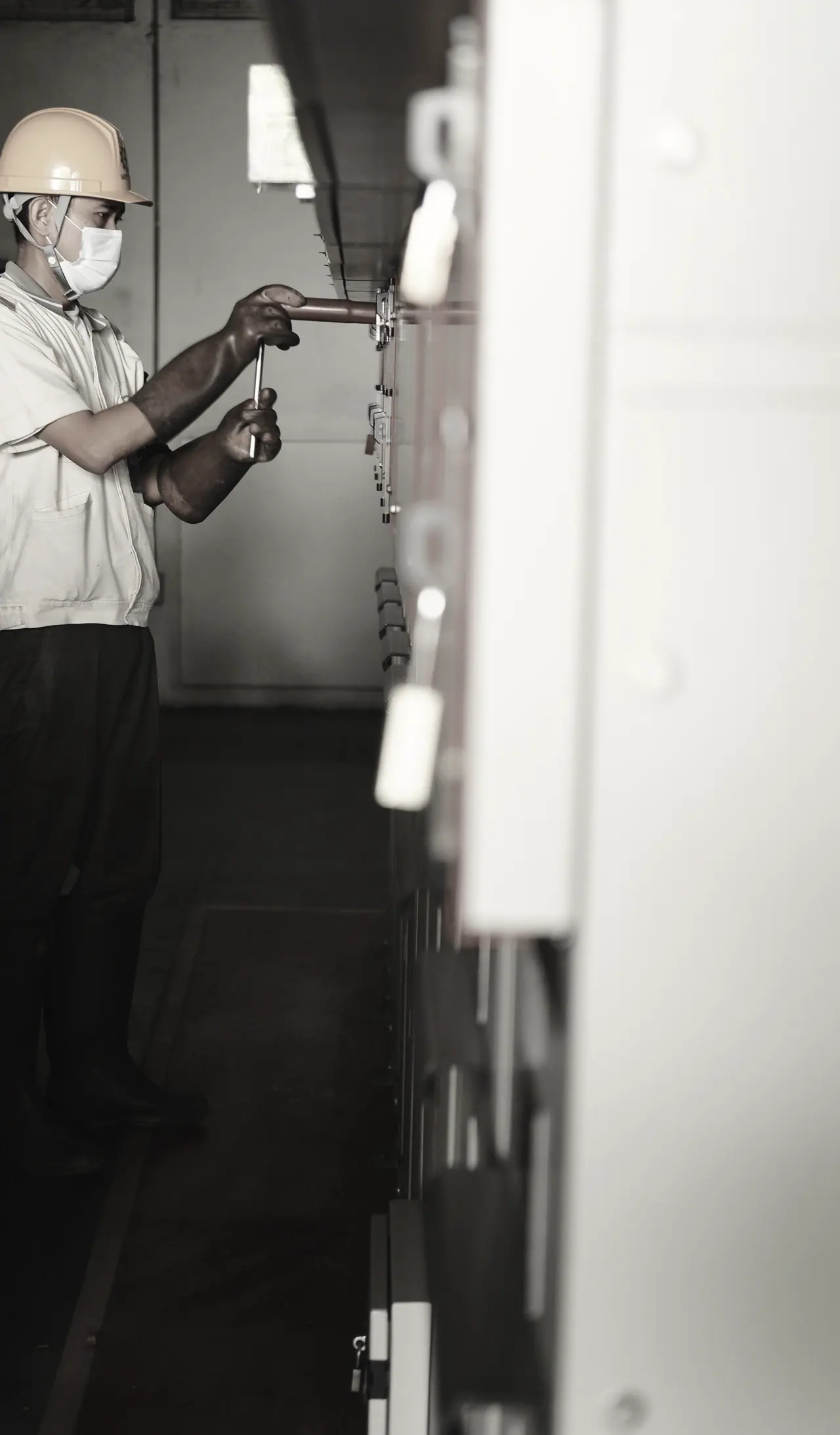
Good electrical decisions start with a clear picture of the system behind your walls. An inspection evaluates accessible panels, wiring, outlets and protective devices for signs of damage, unsafe connections and capacity concerns. We look beyond whether the lights turn on, considering how circuits are protected, how equipment is grounded and how the installation serves the property today. The goal is to separate immediate safety concerns from planned improvements, so you can make informed decisions about the next step. Tell us about recent changes, recurring problems and equipment you plan to add. Hidden wiring and inaccessible areas may need further investigation. An inspection gives you a practical starting point, not a promise that every concealed condition can be identified immediately.
When you need it
- You are buying, renovating or taking responsibility for a property with an unfamiliar electrical history.
- Lights flicker, outlets feel loose or the system has visible wear or questionable alterations.
- You are planning new equipment and need to understand the existing installation first.
What we check
- Accessible panels, circuit identification and visible evidence of overheating, corrosion or damage.
- Grounding, bonding and the suitability of protective devices for the circuits reviewed.
- Accessible outlets, switches and wiring, with attention to condition, use and reported symptoms.
Permits and inspection
An electrical condition assessment is different from a building department inspection of permitted work. If findings lead to repairs or alterations, the project scope determines the permits and official inspections required by the local authority.
Frequently asked questions
What does an inspection cover?
The assessment focuses on the accessible electrical system and the concerns you identify, including panels, wiring, outlets and protection. The agreed scope defines the areas reviewed and whether additional testing or access is needed.
Is this the same as a city inspection?
No. A contractor assessment helps you understand existing conditions and plan work. A building department inspection evaluates permitted work against the applicable requirements; one does not replace the other.
Does it include repairs?
Assessment and repair are separate decisions. Findings help establish what needs attention, then the repair scope, materials and price can be agreed before corrective work begins.